



• About
  • Advertise
  • Privacy & Policy
  • Contact
Coins Speaks
Advertisement
  • Home
    • Home – Layout 1
    • Home – Layout 2
    • Home – Layout 3
    • Home – Layout 4
    • Home – Layout 5
    • Home – Layout 6
  • Market News

    ETH Mining Simplified – Why JAMining Is the Future of Passive Crypto Income

    Crypto Bull Run 2025: What to Expect in the Next Market Surge

    Crypto Market News: Weekly Roundup and Price Predictions

    Crypto Market News: Weekly Roundup and Price Predictions

    Breaking Crypto News Impact on Market Trends

    Breaking Crypto News Impact on Market Trends

    Latest Cryptocurrency Market Updates and Analysis

    Latest Cryptocurrency Market Updates and Analysis

    Trending Tags

    • Trump Inauguration
    • United Stated
    • White House
    • Market Stories
    • Election Results
  • Crypto Security Tips

    Legitimate Crypto Recovery Companies: Your Complete Guide to Safe Asset Recovery in 2025

    Protecting Your Digital Assets Crypto Safety Guide

    Protecting Your Digital Assets Crypto Safety Guide

    In the rapidly evolving world of digital assets, securing your cryptocurrency has never been more crucial. As the value and popularity of cryptocurrencies continue to soar, so do the threats from hackers, scammers, and even simple user errors. This comprehensive guide will walk you through the best practices for safeguarding your crypto investments, ensuring that your digital wealth remains protected in an increasingly complex and sometimes hostile digital landscape. Table of Contents Understanding the Importance of Cryptocurrency Security Choosing the Right Wallet Implementing Strong Authentication Measures Safeguarding Your Private Keys Using Hardware Wallets for Maximum Security Practicing Safe Online Behavior Implementing Cold Storage Solutions Diversifying Your Cryptocurrency Holdings Keeping Your Software Updated Understanding and Avoiding Common Scams Securing Your Physical Environment Creating a Backup and Recovery Plan Educating Yourself and Staying Informed Conclusion Understanding the Importance of Cryptocurrency Security The decentralized nature of cryptocurrencies, while offering unprecedented financial freedom, also places the responsibility of security squarely on the shoulders of the individual. Unlike traditional banking systems, there's no central authority to reverse transactions or recover lost funds. This makes understanding and implementing robust security measures not just advisable, but essential for anyone involved in the crypto space. Cryptocurrency theft and fraud have become increasingly sophisticated, with hackers employing a range of tactics from phishing schemes to malware attacks. In 2021 alone, cryptocurrency crimes amounted to a staggering $14 billion, according to Chainalysis. This underscores the critical need for every crypto holder to take proactive steps in securing their assets. Choosing the Right Wallet Your choice of cryptocurrency wallet is the foundation of your security strategy. There are several types of wallets, each with its own set of advantages and security considerations: Hardware Wallets: These physical devices store your private keys offline, making them highly secure against online threats. Popular options include Ledger Nano X and Trezor Model T. Software Wallets: These can be desktop, mobile, or web-based applications. While convenient, they're more vulnerable to online attacks. Examples include Exodus and MyEtherWallet. Paper Wallets: A paper wallet is a physical printout of your public and private keys. While secure against digital threats, they're vulnerable to physical damage or loss. Custodial Wallets: Offered by exchanges like Coinbase or Binance, these wallets are convenient but give control of your private keys to a third party. When selecting a wallet, consider factors such as the types of cryptocurrencies supported, ease of use, reputation, and most importantly, the level of security provided. For substantial holdings, a combination of a hardware wallet for long-term storage and a software wallet for day-to-day transactions is often recommended. Implementing Strong Authentication Measures Once you've chosen your wallet, implementing robust authentication measures is crucial. This typically involves: Strong Passwords: Use a unique, complex password for each of your crypto-related accounts. A password manager can help you generate and securely store these. Two-Factor Authentication (2FA): Enable 2FA wherever possible. Authenticator apps like Google Authenticator or Authy are preferred over SMS-based 2FA, which can be vulnerable to SIM swapping attacks. Biometric Authentication: If available, use fingerprint or facial recognition for an added layer of security. Hardware Keys: For ultimate security, consider using a hardware security key like YubiKey for your most critical accounts. Remember, the strength of your authentication measures can make the difference between a secure holding and a devastating loss. Safeguarding Your Private Keys Your private keys are the most critical piece of information in your cryptocurrency ownership. They prove your ownership of your coins and allow you to make transactions. Here are some best practices for safeguarding your private keys: Never Share Your Private Keys: Under no circumstances should you share your private keys with anyone. Legitimate services will never ask for them. Use a Secure Storage Method: Consider using a hardware wallet or a secure, encrypted digital storage solution for your private keys. Avoid Digital Storage of Recovery Phrases: If your wallet uses a recovery phrase (also known as a seed phrase), write it down on paper or engrave it on a metal plate rather than storing it digitally. Use Multi-Signature Wallets: For large holdings, consider using multi-signature wallets that require multiple private keys to authorize a transaction. Implement Key Sharding: This advanced technique involves splitting your private key into multiple parts and storing them in different locations. Remember, if someone gains access to your private keys, they have full control over your cryptocurrencies. Guard them as you would your most valuable possessions. Using Hardware Wallets for Maximum Security For those serious about cryptocurrency security, hardware wallets offer the gold standard in protection. These physical devices store your private keys offline, making them immune to online hacking attempts. Here's why they're considered the most secure option: Offline Storage: Your private keys never leave the device, protecting them from online threats. Malware Resistance: Even if used on a compromised computer, hardware wallets keep your keys safe. PIN Protection: Access to the device is protected by a PIN, preventing unauthorized physical access. Recovery Options: Most hardware wallets allow you to set up a recovery seed, ensuring you can retrieve your funds even if the device is lost or damaged. Popular hardware wallet options include the Ledger Nano X, Trezor Model T, and KeepKey. When using a hardware wallet, always purchase directly from the manufacturer or an authorized reseller to avoid tampered devices. Practicing Safe Online Behavior Your personal online behavior plays a crucial role in maintaining the security of your cryptocurrency. Here are some essential practices: Use a Secure Internet Connection: Avoid conducting cryptocurrency transactions on public Wi-Fi networks. If necessary, use a reputable VPN service. Be Wary of Phishing Attempts: Always double-check the URLs of the websites you're visiting. Bookmark official sites and access them directly rather than through links in emails or messages. Verify Transactions: Always double-check the recipient's address before sending any cryptocurrency. Some malware can change clipboard contents, potentially redirecting your funds to a hacker's wallet. Use Trusted Devices: Conduct your crypto activities on a dedicated, malware-free device if possible. Regularly scan your devices for malware and keep your antivirus software updated. Be Cautious with Mobile Apps: Only download cryptocurrency apps from official app stores, and always verify the developer and read reviews before installing. Limit Information Sharing: Be cautious about sharing information about your cryptocurrency holdings online, as this could make you a target for hackers. By adopting these practices, you significantly reduce the risk of falling victim to common online threats targeting cryptocurrency holders. Implementing Cold Storage Solutions For long-term hodlers or those with significant cryptocurrency investments, cold storage solutions offer an extra layer of security. Cold storage refers to keeping a reserve of cryptocurrencies offline, making them inaccessible to online threats. Here are some cold storage methods: Paper Wallets: Generate a paper wallet offline and store it in a secure location, like a safe deposit box. Hardware Wallets: As mentioned earlier, these devices can serve as an excellent cold storage solution. Air-Gapped Computers: Use a computer that has never been connected to the internet to generate and store private keys. Deep Cold Storage: For extreme security, some users engrave their private keys on metal plates and store them in multiple secure locations. While cold storage provides excellent security, it's important to balance it with accessibility. Consider keeping a small portion of your holdings in a more accessible hot wallet for regular transactions. Diversifying Your Cryptocurrency Holdings While not a direct security measure, diversification can help mitigate the risk of catastrophic loss. Here's how to approach diversification: Multiple Cryptocurrencies: Don't put all your eggs in one basket. Invest in a variety of reputable cryptocurrencies. Multiple Wallets: Use different wallets for different purposes. For example, use a hardware wallet for long-term storage and a mobile wallet for day-to-day transactions. Multiple Exchanges: If you use exchanges, consider spreading your holdings across multiple reputable platforms. Geographical Diversification: If using physical storage methods, consider storing backups in different secure locations. Remember, diversification doesn't just protect against security threats, but also against the volatility inherent in the cryptocurrency market. Keeping Your Software Updated One of the simplest yet most effective security measures is keeping all your cryptocurrency-related software up to date. This includes: Wallet Software: Whether you're using a hardware wallet or a software wallet, always update to the latest version. Operating System: Keep your computer or mobile device's operating system updated with the latest security patches. Antivirus Software: Ensure your antivirus software is current and regularly scanning your devices. Firmware Updates: For hardware wallets, always install the latest firmware updates provided by the manufacturer. Software updates often include critical security patches that address newly discovered vulnerabilities. Ignoring these updates can leave your cryptocurrencies exposed to preventable threats. Understanding and Avoiding Common Scams The cryptocurrency world is unfortunately rife with scams targeting unsuspecting investors. Educating yourself about common scams is crucial for protecting your assets. Here are some prevalent scams to watch out for: Phishing Scams: These involve fake websites or emails that mimic legitimate services to steal your login credentials or private keys. Ponzi Schemes: Often disguised as high-yield investment programs, these schemes use money from new investors to pay earlier investors. Fake ICOs: Scammers create fraudulent Initial Coin Offerings to collect funds for non-existent projects. Pump and Dump Schemes: Orchestrated efforts to artificially inflate the price of a cryptocurrency before selling off holdings. Impersonation Scams: Scammers pose as well-known figures in the crypto community, often on social media, to trick people into sending them cryptocurrency. Malware: Specially designed software that can steal your private keys or redirect your transactions. To avoid falling victim to these scams: Always verify the source of information. Be skeptical of unsolicited offers or messages. Never share your private keys or recovery phrases. If an offer sounds too good to be true, it probably is. Securing Your Physical Environment While much focus is placed on digital security, physical security is equally important when it comes to protecting your cryptocurrency assets. Consider the following measures: Secure Storage of Hardware Wallets: Store your hardware wallets in a safe or a bank deposit box when not in use. Protection Against Natural Disasters: Ensure your storage solutions are protected against fire, flood, and other natural disasters. Discretion: Avoid discussing your cryptocurrency holdings in public or with people you don't fully trust. Home Security: If you store significant crypto assets at home, consider investing in a robust home security system. Travel Security: Be extra cautious when traveling with devices or information related to your cryptocurrency holdings. Remember, physical threats can be just as damaging as digital ones when it comes to the security of your cryptocurrencies. Creating a Backup and Recovery Plan No security system is foolproof, which is why having a comprehensive backup and recovery plan is crucial. Here are some key elements to consider: Backup Your Wallet: Regularly backup your wallet data and store it in multiple secure locations. Record Recovery Phrases: Securely store your wallet's recovery phrase, often a 12 or 24-word seed phrase. Test Your Backups: Regularly verify that your backups are working correctly by attempting to restore from them. Plan for Inheritance: Consider how your crypto assets will be passed on in case of your death. This might involve sharing access information with a trusted lawyer or family member. Multi-Location Storage: Store copies of crucial information in multiple secure locations to guard against localized disasters. A well-thought-out recovery plan can be the difference between a minor setback and a catastrophic loss. Educating Yourself and Staying Informed The world of cryptocurrency is constantly evolving, and so are the security threats. Staying educated and informed is crucial for maintaining the security of your assets. Here are some ways to stay up-to-date: Follow Reputable News Sources: Stay informed about the latest developments in cryptocurrency and blockchain technology. Join Online Communities: Participate in reputable cryptocurrency forums and communities to learn from others' experiences. Attend Conferences and Workshops: If possible, attend cryptocurrency conferences or workshops to deepen your understanding. Read Official Documentation: Familiarize yourself with the official documentation of the cryptocurrencies you hold and the wallets you use. Subscribe to Security Alerts: Many wallet providers and exchanges offer security alert services. Sign up for these to stay informed about potential threats. Remember, in the world of cryptocurrency, knowledge truly is power. The more informed you are, the better equipped you'll be to protect your digital assets. Conclusion Securing your cryptocurrency is a multifaceted challenge that requires ongoing attention and effort. By implementing the best practices outlined in this guide – from choosing the right wallet and implementing strong authentication measures, to practicing safe online behavior and staying informed about the latest security threats – you can significantly reduce the risk of losing your digital assets to theft or fraud. Remember, the decentralized nature of cryptocurrencies means that you are ultimately responsible for the security of your assets. While this responsibility may seem daunting, it also offers an unprecedented level of financial autonomy. By taking proactive steps to secure your cryptocurrencies, you're not just protecting your investments – you're embracing the true spirit of decentralized finance. As the cryptocurrency landscape continues to evolve, so too will the security challenges and solutions. Stay vigilant, keep learning, and regularly review and update your security practices. With the right approach, you can enjoy the benefits of cryptocurrency while minimizing the risks. Your journey in cryptocurrency is exciting and potentially rewarding, but always remember: in the world of digital assets, security should never be an afterthought – it should be your first and ongoing priority.

    How to Secure Your Cryptocurrency: Best Practices

    10 Essential Crypto Security Tips for Beginners

    10 Essential Crypto Security Tips for Beginners

    Trending Tags

    • Nintendo Switch
    • CES 2017
    • Playstation 4 Pro
    • Mark Zuckerberg
  • Blockchain Basics
    Blockchain Explained Simple Guide for Non-Techies

    Blockchain Explained: Simple Guide for Non-Techies

    Understanding Blockchain: Key Concepts for Newcomers

    Understanding Blockchain: Key Concepts for Newcomers

    Blockchain Technology 101 A Beginner's Guide

    Blockchain Technology 101 A Beginner’s Guide

  • Mining and Staking
    Passive Income from Crypto Staking vs. Yield Farming

    Passive Income from Crypto Staking vs. Yield Farming

    Best Staking Platforms for Passive Income in 2024

    Best Staking Platforms for Passive Income in 2024

    How to Stake ETH 2.0: A Complete Step-by-Step Guide

    How to Stake ETH 2.0: A Complete Step-by-Step Guide

    How to Calculate Staking Rewards for Different Blockchains

    How to Calculate Staking Rewards for Different Blockchains

    The Best Mining Hardware for Beginners in 2024

    The Best Mining Hardware for Beginners in 2024

    How Ethereum’s Transition to Proof of Stake Affects the Mining Industry

    How Ethereum’s Transition to Proof of Stake Affects the Mining Industry

    Trending Tags

    • Golden Globes
    • Game of Thrones
    • MotoGP 2017
    • eSports
    • Fashion Week
No Result
View All Result
  • Home
    • Home – Layout 1
    • Home – Layout 2
    • Home – Layout 3
    • Home – Layout 4
    • Home – Layout 5
    • Home – Layout 6
  • Market News

    ETH Mining Simplified – Why JAMining Is the Future of Passive Crypto Income

    Crypto Bull Run 2025: What to Expect in the Next Market Surge

    Crypto Market News: Weekly Roundup and Price Predictions

    Crypto Market News: Weekly Roundup and Price Predictions

    Breaking Crypto News Impact on Market Trends

    Breaking Crypto News Impact on Market Trends

    Latest Cryptocurrency Market Updates and Analysis

    Latest Cryptocurrency Market Updates and Analysis

    Trending Tags

    • Trump Inauguration
    • United Stated
    • White House
    • Market Stories
    • Election Results
  • Crypto Security Tips

    Legitimate Crypto Recovery Companies: Your Complete Guide to Safe Asset Recovery in 2025

    Protecting Your Digital Assets Crypto Safety Guide

    Protecting Your Digital Assets Crypto Safety Guide

    In the rapidly evolving world of digital assets, securing your cryptocurrency has never been more crucial. As the value and popularity of cryptocurrencies continue to soar, so do the threats from hackers, scammers, and even simple user errors. This comprehensive guide will walk you through the best practices for safeguarding your crypto investments, ensuring that your digital wealth remains protected in an increasingly complex and sometimes hostile digital landscape. Table of Contents Understanding the Importance of Cryptocurrency Security Choosing the Right Wallet Implementing Strong Authentication Measures Safeguarding Your Private Keys Using Hardware Wallets for Maximum Security Practicing Safe Online Behavior Implementing Cold Storage Solutions Diversifying Your Cryptocurrency Holdings Keeping Your Software Updated Understanding and Avoiding Common Scams Securing Your Physical Environment Creating a Backup and Recovery Plan Educating Yourself and Staying Informed Conclusion Understanding the Importance of Cryptocurrency Security The decentralized nature of cryptocurrencies, while offering unprecedented financial freedom, also places the responsibility of security squarely on the shoulders of the individual. Unlike traditional banking systems, there's no central authority to reverse transactions or recover lost funds. This makes understanding and implementing robust security measures not just advisable, but essential for anyone involved in the crypto space. Cryptocurrency theft and fraud have become increasingly sophisticated, with hackers employing a range of tactics from phishing schemes to malware attacks. In 2021 alone, cryptocurrency crimes amounted to a staggering $14 billion, according to Chainalysis. This underscores the critical need for every crypto holder to take proactive steps in securing their assets. Choosing the Right Wallet Your choice of cryptocurrency wallet is the foundation of your security strategy. There are several types of wallets, each with its own set of advantages and security considerations: Hardware Wallets: These physical devices store your private keys offline, making them highly secure against online threats. Popular options include Ledger Nano X and Trezor Model T. Software Wallets: These can be desktop, mobile, or web-based applications. While convenient, they're more vulnerable to online attacks. Examples include Exodus and MyEtherWallet. Paper Wallets: A paper wallet is a physical printout of your public and private keys. While secure against digital threats, they're vulnerable to physical damage or loss. Custodial Wallets: Offered by exchanges like Coinbase or Binance, these wallets are convenient but give control of your private keys to a third party. When selecting a wallet, consider factors such as the types of cryptocurrencies supported, ease of use, reputation, and most importantly, the level of security provided. For substantial holdings, a combination of a hardware wallet for long-term storage and a software wallet for day-to-day transactions is often recommended. Implementing Strong Authentication Measures Once you've chosen your wallet, implementing robust authentication measures is crucial. This typically involves: Strong Passwords: Use a unique, complex password for each of your crypto-related accounts. A password manager can help you generate and securely store these. Two-Factor Authentication (2FA): Enable 2FA wherever possible. Authenticator apps like Google Authenticator or Authy are preferred over SMS-based 2FA, which can be vulnerable to SIM swapping attacks. Biometric Authentication: If available, use fingerprint or facial recognition for an added layer of security. Hardware Keys: For ultimate security, consider using a hardware security key like YubiKey for your most critical accounts. Remember, the strength of your authentication measures can make the difference between a secure holding and a devastating loss. Safeguarding Your Private Keys Your private keys are the most critical piece of information in your cryptocurrency ownership. They prove your ownership of your coins and allow you to make transactions. Here are some best practices for safeguarding your private keys: Never Share Your Private Keys: Under no circumstances should you share your private keys with anyone. Legitimate services will never ask for them. Use a Secure Storage Method: Consider using a hardware wallet or a secure, encrypted digital storage solution for your private keys. Avoid Digital Storage of Recovery Phrases: If your wallet uses a recovery phrase (also known as a seed phrase), write it down on paper or engrave it on a metal plate rather than storing it digitally. Use Multi-Signature Wallets: For large holdings, consider using multi-signature wallets that require multiple private keys to authorize a transaction. Implement Key Sharding: This advanced technique involves splitting your private key into multiple parts and storing them in different locations. Remember, if someone gains access to your private keys, they have full control over your cryptocurrencies. Guard them as you would your most valuable possessions. Using Hardware Wallets for Maximum Security For those serious about cryptocurrency security, hardware wallets offer the gold standard in protection. These physical devices store your private keys offline, making them immune to online hacking attempts. Here's why they're considered the most secure option: Offline Storage: Your private keys never leave the device, protecting them from online threats. Malware Resistance: Even if used on a compromised computer, hardware wallets keep your keys safe. PIN Protection: Access to the device is protected by a PIN, preventing unauthorized physical access. Recovery Options: Most hardware wallets allow you to set up a recovery seed, ensuring you can retrieve your funds even if the device is lost or damaged. Popular hardware wallet options include the Ledger Nano X, Trezor Model T, and KeepKey. When using a hardware wallet, always purchase directly from the manufacturer or an authorized reseller to avoid tampered devices. Practicing Safe Online Behavior Your personal online behavior plays a crucial role in maintaining the security of your cryptocurrency. Here are some essential practices: Use a Secure Internet Connection: Avoid conducting cryptocurrency transactions on public Wi-Fi networks. If necessary, use a reputable VPN service. Be Wary of Phishing Attempts: Always double-check the URLs of the websites you're visiting. Bookmark official sites and access them directly rather than through links in emails or messages. Verify Transactions: Always double-check the recipient's address before sending any cryptocurrency. Some malware can change clipboard contents, potentially redirecting your funds to a hacker's wallet. Use Trusted Devices: Conduct your crypto activities on a dedicated, malware-free device if possible. Regularly scan your devices for malware and keep your antivirus software updated. Be Cautious with Mobile Apps: Only download cryptocurrency apps from official app stores, and always verify the developer and read reviews before installing. Limit Information Sharing: Be cautious about sharing information about your cryptocurrency holdings online, as this could make you a target for hackers. By adopting these practices, you significantly reduce the risk of falling victim to common online threats targeting cryptocurrency holders. Implementing Cold Storage Solutions For long-term hodlers or those with significant cryptocurrency investments, cold storage solutions offer an extra layer of security. Cold storage refers to keeping a reserve of cryptocurrencies offline, making them inaccessible to online threats. Here are some cold storage methods: Paper Wallets: Generate a paper wallet offline and store it in a secure location, like a safe deposit box. Hardware Wallets: As mentioned earlier, these devices can serve as an excellent cold storage solution. Air-Gapped Computers: Use a computer that has never been connected to the internet to generate and store private keys. Deep Cold Storage: For extreme security, some users engrave their private keys on metal plates and store them in multiple secure locations. While cold storage provides excellent security, it's important to balance it with accessibility. Consider keeping a small portion of your holdings in a more accessible hot wallet for regular transactions. Diversifying Your Cryptocurrency Holdings While not a direct security measure, diversification can help mitigate the risk of catastrophic loss. Here's how to approach diversification: Multiple Cryptocurrencies: Don't put all your eggs in one basket. Invest in a variety of reputable cryptocurrencies. Multiple Wallets: Use different wallets for different purposes. For example, use a hardware wallet for long-term storage and a mobile wallet for day-to-day transactions. Multiple Exchanges: If you use exchanges, consider spreading your holdings across multiple reputable platforms. Geographical Diversification: If using physical storage methods, consider storing backups in different secure locations. Remember, diversification doesn't just protect against security threats, but also against the volatility inherent in the cryptocurrency market. Keeping Your Software Updated One of the simplest yet most effective security measures is keeping all your cryptocurrency-related software up to date. This includes: Wallet Software: Whether you're using a hardware wallet or a software wallet, always update to the latest version. Operating System: Keep your computer or mobile device's operating system updated with the latest security patches. Antivirus Software: Ensure your antivirus software is current and regularly scanning your devices. Firmware Updates: For hardware wallets, always install the latest firmware updates provided by the manufacturer. Software updates often include critical security patches that address newly discovered vulnerabilities. Ignoring these updates can leave your cryptocurrencies exposed to preventable threats. Understanding and Avoiding Common Scams The cryptocurrency world is unfortunately rife with scams targeting unsuspecting investors. Educating yourself about common scams is crucial for protecting your assets. Here are some prevalent scams to watch out for: Phishing Scams: These involve fake websites or emails that mimic legitimate services to steal your login credentials or private keys. Ponzi Schemes: Often disguised as high-yield investment programs, these schemes use money from new investors to pay earlier investors. Fake ICOs: Scammers create fraudulent Initial Coin Offerings to collect funds for non-existent projects. Pump and Dump Schemes: Orchestrated efforts to artificially inflate the price of a cryptocurrency before selling off holdings. Impersonation Scams: Scammers pose as well-known figures in the crypto community, often on social media, to trick people into sending them cryptocurrency. Malware: Specially designed software that can steal your private keys or redirect your transactions. To avoid falling victim to these scams: Always verify the source of information. Be skeptical of unsolicited offers or messages. Never share your private keys or recovery phrases. If an offer sounds too good to be true, it probably is. Securing Your Physical Environment While much focus is placed on digital security, physical security is equally important when it comes to protecting your cryptocurrency assets. Consider the following measures: Secure Storage of Hardware Wallets: Store your hardware wallets in a safe or a bank deposit box when not in use. Protection Against Natural Disasters: Ensure your storage solutions are protected against fire, flood, and other natural disasters. Discretion: Avoid discussing your cryptocurrency holdings in public or with people you don't fully trust. Home Security: If you store significant crypto assets at home, consider investing in a robust home security system. Travel Security: Be extra cautious when traveling with devices or information related to your cryptocurrency holdings. Remember, physical threats can be just as damaging as digital ones when it comes to the security of your cryptocurrencies. Creating a Backup and Recovery Plan No security system is foolproof, which is why having a comprehensive backup and recovery plan is crucial. Here are some key elements to consider: Backup Your Wallet: Regularly backup your wallet data and store it in multiple secure locations. Record Recovery Phrases: Securely store your wallet's recovery phrase, often a 12 or 24-word seed phrase. Test Your Backups: Regularly verify that your backups are working correctly by attempting to restore from them. Plan for Inheritance: Consider how your crypto assets will be passed on in case of your death. This might involve sharing access information with a trusted lawyer or family member. Multi-Location Storage: Store copies of crucial information in multiple secure locations to guard against localized disasters. A well-thought-out recovery plan can be the difference between a minor setback and a catastrophic loss. Educating Yourself and Staying Informed The world of cryptocurrency is constantly evolving, and so are the security threats. Staying educated and informed is crucial for maintaining the security of your assets. Here are some ways to stay up-to-date: Follow Reputable News Sources: Stay informed about the latest developments in cryptocurrency and blockchain technology. Join Online Communities: Participate in reputable cryptocurrency forums and communities to learn from others' experiences. Attend Conferences and Workshops: If possible, attend cryptocurrency conferences or workshops to deepen your understanding. Read Official Documentation: Familiarize yourself with the official documentation of the cryptocurrencies you hold and the wallets you use. Subscribe to Security Alerts: Many wallet providers and exchanges offer security alert services. Sign up for these to stay informed about potential threats. Remember, in the world of cryptocurrency, knowledge truly is power. The more informed you are, the better equipped you'll be to protect your digital assets. Conclusion Securing your cryptocurrency is a multifaceted challenge that requires ongoing attention and effort. By implementing the best practices outlined in this guide – from choosing the right wallet and implementing strong authentication measures, to practicing safe online behavior and staying informed about the latest security threats – you can significantly reduce the risk of losing your digital assets to theft or fraud. Remember, the decentralized nature of cryptocurrencies means that you are ultimately responsible for the security of your assets. While this responsibility may seem daunting, it also offers an unprecedented level of financial autonomy. By taking proactive steps to secure your cryptocurrencies, you're not just protecting your investments – you're embracing the true spirit of decentralized finance. As the cryptocurrency landscape continues to evolve, so too will the security challenges and solutions. Stay vigilant, keep learning, and regularly review and update your security practices. With the right approach, you can enjoy the benefits of cryptocurrency while minimizing the risks. Your journey in cryptocurrency is exciting and potentially rewarding, but always remember: in the world of digital assets, security should never be an afterthought – it should be your first and ongoing priority.

    How to Secure Your Cryptocurrency: Best Practices

    10 Essential Crypto Security Tips for Beginners

    10 Essential Crypto Security Tips for Beginners

    Trending Tags

    • Nintendo Switch
    • CES 2017
    • Playstation 4 Pro
    • Mark Zuckerberg
  • Blockchain Basics
    Blockchain Explained Simple Guide for Non-Techies

    Blockchain Explained: Simple Guide for Non-Techies

    Understanding Blockchain: Key Concepts for Newcomers

    Understanding Blockchain: Key Concepts for Newcomers

    Blockchain Technology 101 A Beginner's Guide

    Blockchain Technology 101 A Beginner’s Guide

  • Mining and Staking
    Passive Income from Crypto Staking vs. Yield Farming

    Passive Income from Crypto Staking vs. Yield Farming

    Best Staking Platforms for Passive Income in 2024

    Best Staking Platforms for Passive Income in 2024

    How to Stake ETH 2.0: A Complete Step-by-Step Guide

    How to Stake ETH 2.0: A Complete Step-by-Step Guide

    How to Calculate Staking Rewards for Different Blockchains

    How to Calculate Staking Rewards for Different Blockchains

    The Best Mining Hardware for Beginners in 2024

    The Best Mining Hardware for Beginners in 2024

    How Ethereum’s Transition to Proof of Stake Affects the Mining Industry

    How Ethereum’s Transition to Proof of Stake Affects the Mining Industry

    Trending Tags

    • Golden Globes
    • Game of Thrones
    • MotoGP 2017
    • eSports
    • Fashion Week
No Result
View All Result
Coins Speaks
No Result
View All Result
Home Crypto Regulation

Cryptocurrency Regulations Explained What You Need to Know

by Coin Speaks
September 19, 2024
in Crypto Regulation
Cryptocurrency Regulations Explained What You Need to Know
0
SHARES
Share on FacebookShare on Twitter

Cryptocurrency has gained significant attention over the past decade, transforming from a niche interest into a global phenomenon. However, as digital assets like Bitcoin, Ethereum, and other cryptocurrencies continue to rise in popularity, regulatory frameworks worldwide are playing catch-up to define how cryptocurrencies should be treated. These regulations are essential for addressing issues such as fraud, consumer protection, taxation, and market integrity.

In this detailed guide, we’ll explore the current state of cryptocurrency regulations, key regulatory considerations, and how they impact investors, businesses, and the future of the cryptocurrency market.


Table of Contents

  1. What is Cryptocurrency Regulation?
  2. The Importance of Regulating Cryptocurrencies
  3. Key Areas of Cryptocurrency Regulation
    • Anti-Money Laundering (AML) and Know Your Customer (KYC)
    • Taxation of Cryptocurrencies
    • Securities Laws
    • Consumer Protection
  4. How Different Countries Approach Cryptocurrency Regulation
    • United States
    • European Union
    • China
    • Japan
    • India
  5. The Role of Central Banks in Cryptocurrency Regulation
  6. Cryptocurrency Exchanges and Regulatory Compliance
  7. Challenges in Cryptocurrency Regulation
    • Defining Cryptocurrencies
    • Cross-Border Transactions
    • Regulatory Arbitrage
  8. The Impact of Regulations on Cryptocurrency Adoption
  9. Future Trends in Cryptocurrency Regulation
  10. Frequently Asked Questions About Cryptocurrency Regulations

1. What is Cryptocurrency Regulation?

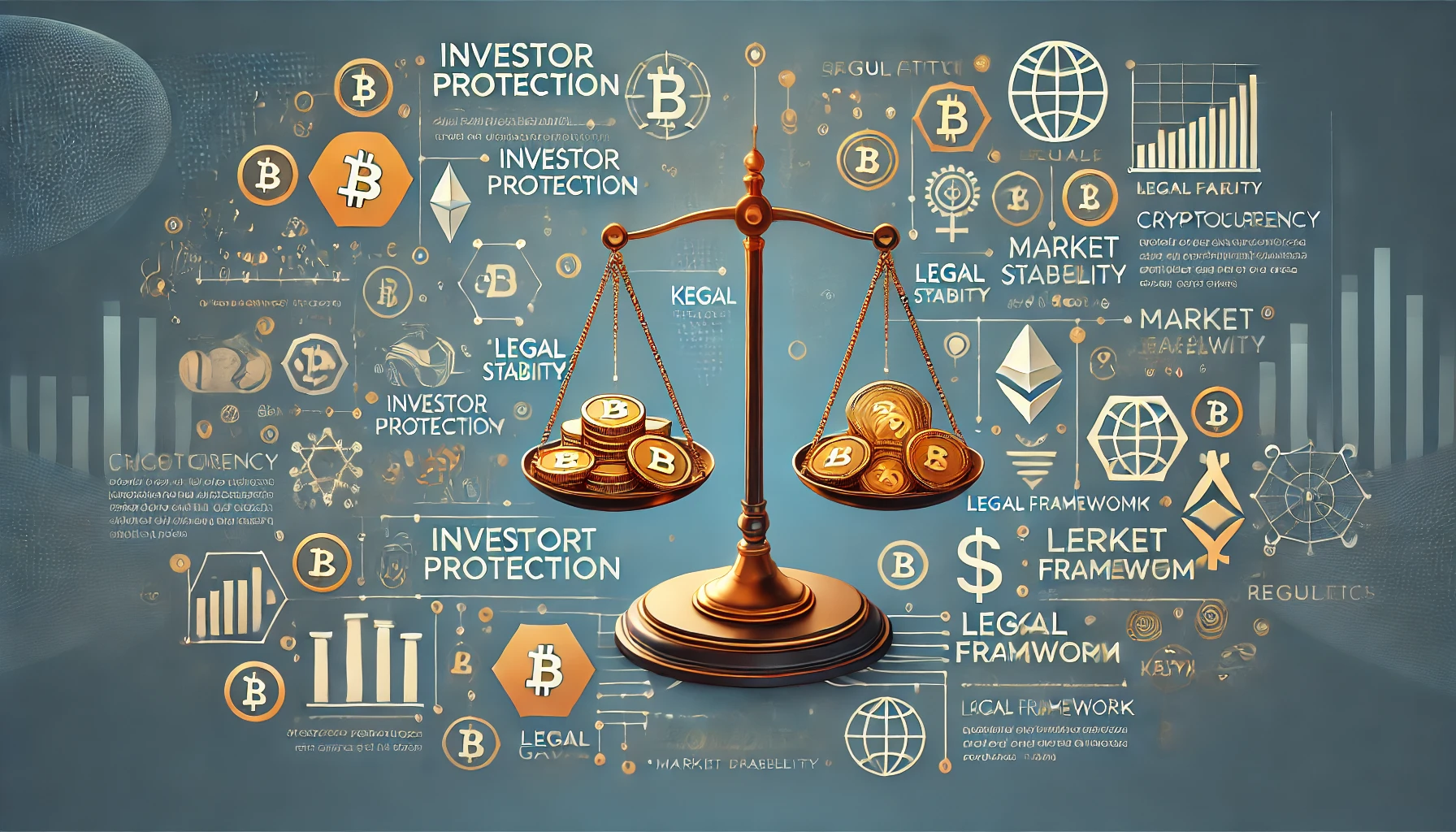
Cryptocurrency regulation refers to the legal framework established by governments and financial authorities to govern the use, trading, and taxation of digital assets like Bitcoin and Ethereum. These regulations are designed to protect consumers, ensure market stability, and prevent illegal activities such as money laundering and fraud.

Given that cryptocurrencies operate on decentralized networks, regulatory bodies face challenges in enforcing traditional financial rules. As a result, different countries and regions have adopted various approaches to regulating digital currencies, ranging from complete bans to more open, crypto-friendly environments.


2. The Importance of Regulating Cryptocurrencies

Cryptocurrency regulation plays a crucial role in shaping the future of the digital currency ecosystem. Proper regulation can offer several benefits, including:

  • Consumer Protection: Regulations help protect investors and consumers from fraud, scams, and market manipulation. The high volatility of cryptocurrencies, combined with the risk of hacking, means that consumer protection measures are essential.
  • Preventing Illegal Activity: Cryptocurrencies, due to their anonymity, can be used for illegal activities like money laundering, terrorism financing, and tax evasion. Regulations ensure that these activities are curbed through anti-money laundering (AML) laws and other financial oversight.
  • Market Stability: Regulatory frameworks provide clear guidelines for businesses and investors, reducing uncertainty and promoting market stability. Well-regulated markets are more attractive to institutional investors, which can drive adoption and growth.
  • Tax Compliance: As more people invest in cryptocurrencies, governments must establish clear tax rules to ensure proper reporting and tax collection. Regulating the taxation of digital assets ensures that both individuals and businesses meet their tax obligations.

3. Key Areas of Cryptocurrency Regulation

Cryptocurrency regulations are complex and vary across jurisdictions, but they tend to focus on four main areas: Anti-Money Laundering (AML) and Know Your Customer (KYC) policies, taxation, securities laws, and consumer protection.

Anti-Money Laundering (AML) and Know Your Customer (KYC)

AML and KYC regulations are designed to prevent the use of cryptocurrencies for illegal activities, such as money laundering or terrorism financing. KYC requires that financial institutions, including cryptocurrency exchanges, verify the identity of their users before allowing them to trade. AML policies ensure that suspicious transactions are reported to authorities.

In most jurisdictions, cryptocurrency exchanges and other businesses dealing with digital assets are required to implement robust AML and KYC procedures, which include identifying users, monitoring transactions, and reporting any suspicious activity.

Taxation of Cryptocurrencies

The taxation of cryptocurrencies is another important regulatory area. In many countries, cryptocurrencies are treated as property or assets, meaning capital gains tax is applicable when individuals sell, trade, or use cryptocurrencies to make purchases. The specific tax treatment can vary, so investors must stay informed about their country’s laws to avoid penalties.

For example, in the United States, the Internal Revenue Service (IRS) treats cryptocurrencies as property, and every transaction, whether buying or selling, is considered a taxable event. In contrast, some countries like Portugal have more favorable tax treatment, where individuals are not required to pay capital gains taxes on personal cryptocurrency investments.

Securities Laws

Some cryptocurrencies and Initial Coin Offerings (ICOs) may be classified as securities under certain conditions. If a digital asset qualifies as a security, it must comply with the relevant securities laws, including registration requirements and investor protections.

For example, the U.S. Securities and Exchange Commission (SEC) uses the “Howey Test” to determine whether a cryptocurrency qualifies as a security. If it does, the token issuer must adhere to securities regulations, including registration and disclosure requirements.

Consumer Protection

As with any financial product, consumers must be protected from unfair practices, fraud, and other risks. Cryptocurrency regulations ensure that exchanges and other service providers operate transparently and that consumers have access to reliable information. Additionally, some regulations may require companies to secure insurance for funds deposited by users, adding another layer of protection.


4. How Different Countries Approach Cryptocurrency Regulation

Regulatory approaches to cryptocurrencies vary significantly across countries. Some governments have embraced digital assets, while others have taken a more cautious or outright hostile stance.

United States

In the United States, cryptocurrency regulation is complex, involving multiple federal agencies like the Securities and Exchange Commission (SEC), the Commodity Futures Trading Commission (CFTC), and the Internal Revenue Service (IRS). The SEC focuses on whether certain cryptocurrencies qualify as securities, while the CFTC regulates cryptocurrency futures and derivatives.

The IRS requires that cryptocurrencies be reported as taxable property, meaning capital gains taxes apply. The U.S. government has also introduced anti-money laundering rules requiring exchanges to implement strict KYC and AML measures.

European Union

The European Union (EU) has taken steps toward creating a unified cryptocurrency regulatory framework. The EU’s 5th Anti-Money Laundering Directive (5AMLD) requires cryptocurrency exchanges and wallet providers to comply with AML and KYC regulations. Additionally, the Markets in Crypto-Assets (MiCA) framework is under development to create more comprehensive regulation across the EU, focusing on investor protection and market integrity.

China

China has one of the strictest stances on cryptocurrencies. The Chinese government has banned cryptocurrency trading and mining within its borders, although citizens still own cryptocurrencies and trade on offshore platforms. China’s primary concern is the potential for capital flight and the disruption of its tightly controlled financial system.

At the same time, China has embraced blockchain technology and is developing its own central bank digital currency (CBDC), the digital yuan.

Japan

Japan is known for its progressive approach to cryptocurrency regulation. In 2017, Japan became the first country to officially recognize Bitcoin as legal tender and regulate cryptocurrency exchanges under its Payment Services Act. Japanese regulators have implemented strong AML and KYC rules, and exchanges must register with the Financial Services Agency (FSA) to operate legally.

India

India’s regulatory stance on cryptocurrencies has been mixed. In 2018, the Reserve Bank of India (RBI) issued a ban on banks providing services to cryptocurrency businesses, which was later overturned by the Supreme Court in 2020. While cryptocurrencies remain legal, the Indian government has considered stricter regulations, including a potential ban on private cryptocurrencies, in favor of promoting its own CBDC.


5. The Role of Central Banks in Cryptocurrency Regulation

Central banks worldwide play a significant role in cryptocurrency regulation, particularly in the development of Central Bank Digital Currencies (CBDCs). A CBDC is a digital version of a country’s fiat currency, issued and controlled by the central bank. Unlike cryptocurrencies like Bitcoin, CBDCs are centralized and regulated by the government.

Many central banks, including the European Central Bank (ECB), the People’s Bank of China (PBoC), and the U.S. Federal Reserve, are actively researching or piloting CBDCs. The introduction of CBDCs could impact the cryptocurrency market by providing a government-backed alternative to decentralized digital currencies.


6. Cryptocurrency Exchanges and Regulatory Compliance

Cryptocurrency exchanges are essential for buying, selling, and trading digital assets, but they must comply with regulations to operate legally. Compliance requirements vary by country but typically include:

  • AML and KYC Verification: Exchanges must verify the identity of their users and report suspicious activities.
  • Licensing Requirements: In many jurisdictions, exchanges are required to register and obtain licenses from financial regulatory authorities.
  • Reporting Obligations: Exchanges may be required to report large transactions to tax authorities or other regulatory bodies to prevent illegal activities like money laundering.

Failure to comply with these regulations can result in fines, the shutdown of the exchange, or legal action against the company’s operators.


7. Challenges in Cryptocurrency Regulation

Despite ongoing efforts to regulate cryptocurrencies, several challenges remain:

Defining Cryptocurrencies

One of the biggest challenges is defining cryptocurrencies within existing legal frameworks. Are they currencies, commodities, securities, or something entirely new? The answer varies depending on the country and even the specific cryptocurrency in question.

Cross-Border Transactions

Cryptocurrencies operate on decentralized networks that know no national borders. This creates difficulties for regulators trying to enforce laws on cross-border transactions. Global cooperation is needed to establish standardized regulatory practices.

Regulatory Arbitrage

Some companies and individuals engage in regulatory arbitrage by operating in countries with less stringent regulations. This can undermine global efforts to regulate cryptocurrencies effectively and create inconsistencies across different markets.


8. The Impact of Regulations on Cryptocurrency Adoption

Regulation can have both positive and negative effects on cryptocurrency adoption. On one hand, clear regulatory frameworks provide certainty for investors and businesses, fostering trust and encouraging wider adoption of digital assets. On the other hand, overly restrictive regulations can stifle innovation and push businesses and users to operate in unregulated or offshore markets.

Ultimately, balanced regulations that protect consumers while promoting innovation are crucial for the long-term success of the cryptocurrency ecosystem.


9. Future Trends in Cryptocurrency Regulation

As the cryptocurrency market continues to evolve, several regulatory trends are emerging:

  • Increased Regulation of DeFi Platforms: Decentralized finance (DeFi) platforms, which offer financial services without intermediaries, are becoming a regulatory focus due to their rapid growth and potential risks.
  • Stronger AML Enforcement: Governments are likely to continue tightening AML regulations to prevent illegal activities involving cryptocurrencies.
  • More CBDCs on the Horizon: Central banks are accelerating their development of CBDCs, which could reshape the digital currency landscape.
  • International Cooperation: As cryptocurrencies become more global, international regulatory cooperation will be essential to create consistent standards.

Frequently Asked Questions About Cryptocurrency Regulations

  1. Are cryptocurrencies legal? The legality of cryptocurrencies varies by country. While cryptocurrencies are legal in many countries, some have imposed restrictions or outright bans.
  2. Do I have to pay taxes on cryptocurrency gains? In most countries, cryptocurrency gains are subject to taxation. For example, in the U.S., the IRS considers cryptocurrencies as property, making them subject to capital gains tax.
  3. What is the role of AML and KYC in cryptocurrency exchanges? AML and KYC regulations require exchanges to verify the identity of their users and monitor transactions for suspicious activity to prevent money laundering and other illegal activities.
  4. What are Central Bank Digital Currencies (CBDCs)? CBDCs are digital versions of a country’s fiat currency, issued and controlled by the central bank. Unlike cryptocurrencies, they are centralized and regulated by the government.
  5. Can governments ban cryptocurrencies? Yes, some governments, like China, have implemented bans on cryptocurrency trading and mining. However, in most cases, cryptocurrencies remain legal, though subject to regulation.
  6. How does regulation impact cryptocurrency adoption? Clear regulations can increase investor confidence and encourage adoption, while overly restrictive rules may push users and businesses to operate in less regulated markets.

Cryptocurrency regulations are a rapidly evolving field as governments, businesses, and investors navigate the challenges and opportunities presented by digital assets. Understanding the regulatory landscape is crucial for anyone involved in the cryptocurrency space, whether you’re an investor, a business owner, or just curious about the future of money.


Previous Post

Blockchain Explained: Simple Guide for Non-Techies

Next Post

Global Crypto Laws Current Status and Future Outlook

Stay Connected test

  • 23.9k Followers
  • 99 Subscribers
  • Trending
  • Comments
  • Latest
How to Stake ETH 2.0: A Complete Step-by-Step Guide

How to Stake ETH 2.0: A Complete Step-by-Step Guide

November 16, 2024
How Ethereum’s Transition to Proof of Stake Affects the Mining Industry

How Ethereum’s Transition to Proof of Stake Affects the Mining Industry

November 16, 2024

Crypto Bull Run 2025: What to Expect in the Next Market Surge

February 14, 2025

Legitimate Crypto Recovery Companies: Your Complete Guide to Safe Asset Recovery in 2025

July 19, 2025
Blockchain Technology 101 A Beginner's Guide

Blockchain Technology 101 A Beginner’s Guide

0
Understanding Blockchain: Key Concepts for Newcomers

Understanding Blockchain: Key Concepts for Newcomers

0
Blockchain Explained Simple Guide for Non-Techies

Blockchain Explained: Simple Guide for Non-Techies

0
Cryptocurrency Regulations Explained What You Need to Know

Cryptocurrency Regulations Explained What You Need to Know

0

ETH Mining Simplified – Why JAMining Is the Future of Passive Crypto Income

August 1, 2025

Legitimate Crypto Recovery Companies: Your Complete Guide to Safe Asset Recovery in 2025

July 19, 2025

Gold Depot Sets a New Benchmark in Wealth Growth with Automated Gold Arbitrage Trading

April 9, 2025

Crypto Bull Run 2025: What to Expect in the Next Market Surge

February 14, 2025

Recent News

ETH Mining Simplified – Why JAMining Is the Future of Passive Crypto Income

August 1, 2025

Legitimate Crypto Recovery Companies: Your Complete Guide to Safe Asset Recovery in 2025

July 19, 2025

Gold Depot Sets a New Benchmark in Wealth Growth with Automated Gold Arbitrage Trading

April 9, 2025

Crypto Bull Run 2025: What to Expect in the Next Market Surge

February 14, 2025
Coins Speaks

We bring you the best Premium WordPress Themes that perfect for news, magazine, personal blog, etc. Check our landing page for details.

Follow Us

Browse by Category

  • Blockchain Basics
  • Crypto Regulation
  • Crypto Security Tips
  • Cryptocurrency Analysis
  • DeFi/NFT Trends
  • ICO/IEO Reviews
  • Market News
  • Mining and Staking
  • Trading Strategies
  • Wallet Guides

Recent News

ETH Mining Simplified – Why JAMining Is the Future of Passive Crypto Income

August 1, 2025

Legitimate Crypto Recovery Companies: Your Complete Guide to Safe Asset Recovery in 2025

July 19, 2025
  • About
  • Advertise
  • Privacy & Policy
  • Contact

© 2026 JNews - Premium WordPress news & magazine theme by Jegtheme.

No Result
View All Result

© 2026 JNews - Premium WordPress news & magazine theme by Jegtheme.